
How to Analyze Dhan Mumbai Day Jodi Chart Trends Using Previous Records
Learn how to analyze Dhan Mumbai Day Jodi Chart trends using previous records. Explore historical chart analysis, number frequency, Satta Matka data organization, and DPBoss chart study techniques.
Dhan Mumbai Day Jodi Chart has become one of the most searched chart formats among enthusiasts who follow historical number records. By reviewing previous results and identifying recurring number combinations, users often try to understand long-term patterns. While no historical data can reliably predict future outcomes, studying old charts can help you organize records and recognize trends. Platforms like DPBoss provide archived chart data that many users use for reference and comparison.
If you are interested in Satta Matka chart analysis, learning how to interpret previous records can improve your understanding of number frequency, repeated Jodis, and chart movements. This guide explains practical ways to analyze historical records responsibly.
What is the Dhan Mumbai Day Jodi Chart?
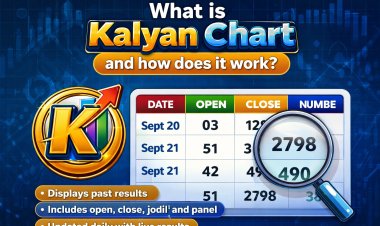
Dhan Mumbai Day Jodi Chart is a historical record of daily Jodi results arranged in chronological order. Each record allows users to compare present and past outcomes, making it easier to observe recurring sequences.
Many Satta Matka followers keep old charts because they believe historical information helps identify common number appearances. Although every result is independent, maintaining organized records makes chart analysis much simpler.
Why Previous Records Matter
Historical records provide valuable insights into long-term trends instead of focusing on only one or two recent results.
Some advantages include:
- Identifying frequently appearing Jodi numbers.
- Tracking repeating numerical cycles.
- Comparing monthly and yearly records.
- Organizing old Matka data for better reference.
- Improving chart-reading skills through observation.
Previous records are useful for study purposes, but they should never be considered a guarantee of future outcomes.
Step 1: Collect Historical Dhan Mumbai Day Records
Start by gathering at least six months to one year of historical chart data.
Reliable archives such as DPBoss organize old Sattamatka records in date-wise format, making comparison much easier.
Arrange your information in a table containing:
- Date
- Open Number
- Close Number
- Final Jodi
Organized data always produces more meaningful trend analysis.
Step 2: Identify Frequently Appearing Jodi Numbers
Once the records are organized, count how many times each Jodi has appeared.
For example:
- 12
- 35
- 67
- 89
If certain combinations occur more frequently over several months, they become noticeable historical patterns.
Remember that repeated appearances do not indicate future certainty—they simply highlight historical frequency.
Step 3: Compare Monthly Trends
Instead of reviewing the entire year together, divide records month by month.
Questions to consider include:
- Which Jodi appeared most often?
- Which combinations disappeared completely?
- Did any numbers repeat within short intervals?
Monthly comparison helps reveal cycles that are difficult to notice in large datasets.
Step 4: Analyze Open and Close Number Relationships
The Jodi consists of Open and Close numbers.
Instead of looking only at complete Jodis, study:
- Frequently repeated Open digits
- Frequently repeated Close digits
- Common Open-Close combinations
Many experienced Matka chart readers focus on these relationships before reviewing complete historical records.
Step 5: Watch Long-Term Number Cycles
Some users notice that certain Jodi combinations seem to reappear after several weeks or months.
To identify such cycles:
- Compare records from the same month across different years.
- Highlight repeated combinations.
- Record the number of days between appearances.
Again, these observations are historical only and should not be interpreted as predictive formulas.
Step 6: Maintain Your Own Analysis Sheet
Creating a spreadsheet makes future comparisons easier.
Your sheet may include:
- Date
- Open
- Close
- Jodi
- Frequency
- Monthly Count
- Notes
Over time, your personal archive becomes a useful reference for studying Satta Matka chart history.
Common Mistakes During Chart Analysis
Many beginners make avoidable mistakes, including:
- Using only one week's data.
- Ignoring older records.
- Assuming repeated numbers will appear again.
- Focusing only on favorite Jodis.
- Not organizing historical data properly.
Successful chart analysis depends on patience and consistent record keeping rather than assumptions.
How DPBoss Helps in Chart Study
Many users choose DPBoss because it provides organized archives that simplify historical comparisons.
Some useful features include:
- Historical chart records
- Date-wise result organization
- Easy navigation
- Archived Sattamatka data
- Quick access to previous Jodi results
These archives help users review historical information without manually collecting old records.
Best Practices for Responsible Analysis
When studying any Satta Matka chart:
- Use long-term historical records.
- Keep organized notes.
- Compare multiple months.
- Focus on understanding patterns rather than expecting predictions.
- Update your records regularly.
Historical analysis is most valuable when used for educational observation and record management.
Conclusion
Learning how to analyze the Dhan Mumbai Day Jodi Chart using previous records is primarily about recognizing historical trends, organizing information, and improving chart-reading skills. Whether you review archived results through DPBoss or maintain your own records, consistent analysis helps you better understand how historical data is structured.
Keep in mind that historical Matka records describe past outcomes only. They cannot reliably forecast future results, so they should be used responsibly as reference material rather than prediction tools.
Frequently Asked Questions (FAQ)
1. What is the Dhan Mumbai Day Jodi Chart?
It is a historical chart containing daily Jodi results arranged date-wise for comparison and analysis.
2. Why are previous records important?
Previous records help identify historical frequency, recurring number combinations, and long-term trends.
3. Can historical charts predict future results?
No. Historical records can only be used for reference and analysis. They cannot accurately predict future outcomes.
4. How much historical data should I analyze?
Studying at least six months to one year of records provides a broader understanding of historical trends.
5. Where can I find archived Dhan Mumbai Day charts?
Many users refer to DPBoss archives because they organize historical chart records in an easy-to-read format.